New:
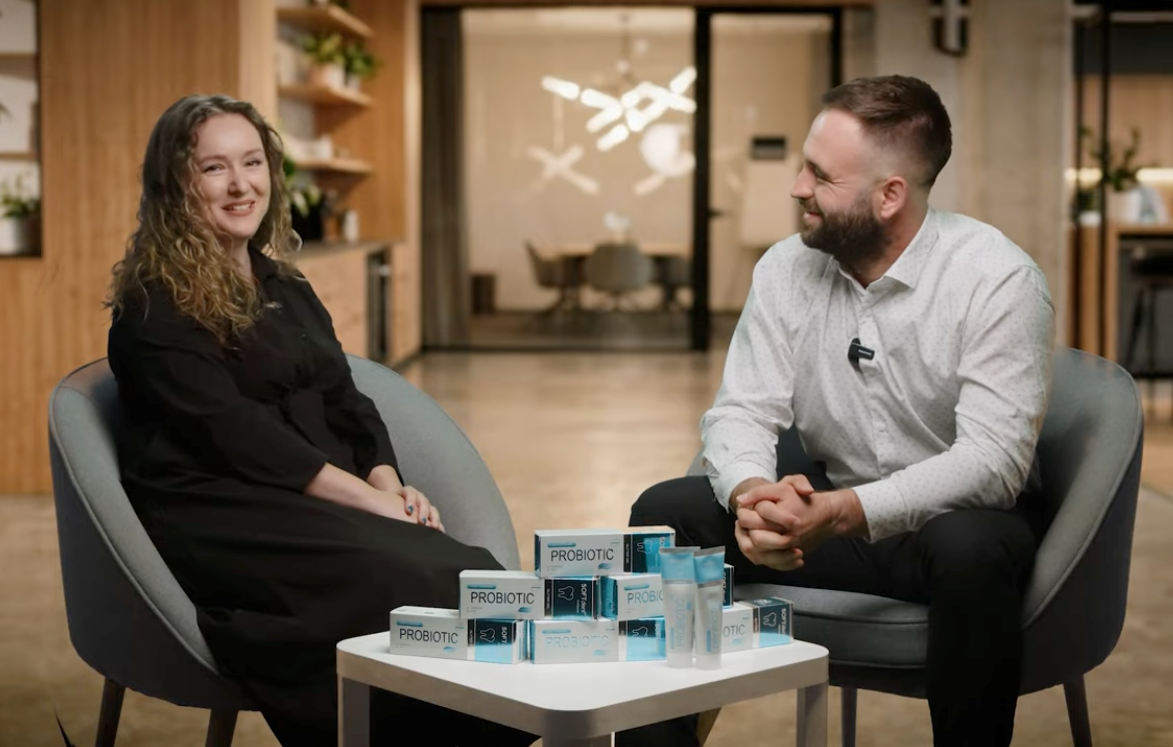
Probiotic
Toothpaste

Balanced oral microflora
for a healthy smile

Discover the toothpaste
DMRossmannTescoKauflandGlobusLidlNorma

Butterfly

SOFTdent® Butterfly is not just an ordinary toothbrush – it is a combination of cutting-edge technology, ergonomics and stylish design that turns everyday oral hygiene into a pleasant ritual.

Discover our products Watch the video

CARE+

It is your choice for healthier teeth, an eco-friendly approach to the planet, and a style you will enjoy every day. Choose what’s best for you and for nature!

Discover our products

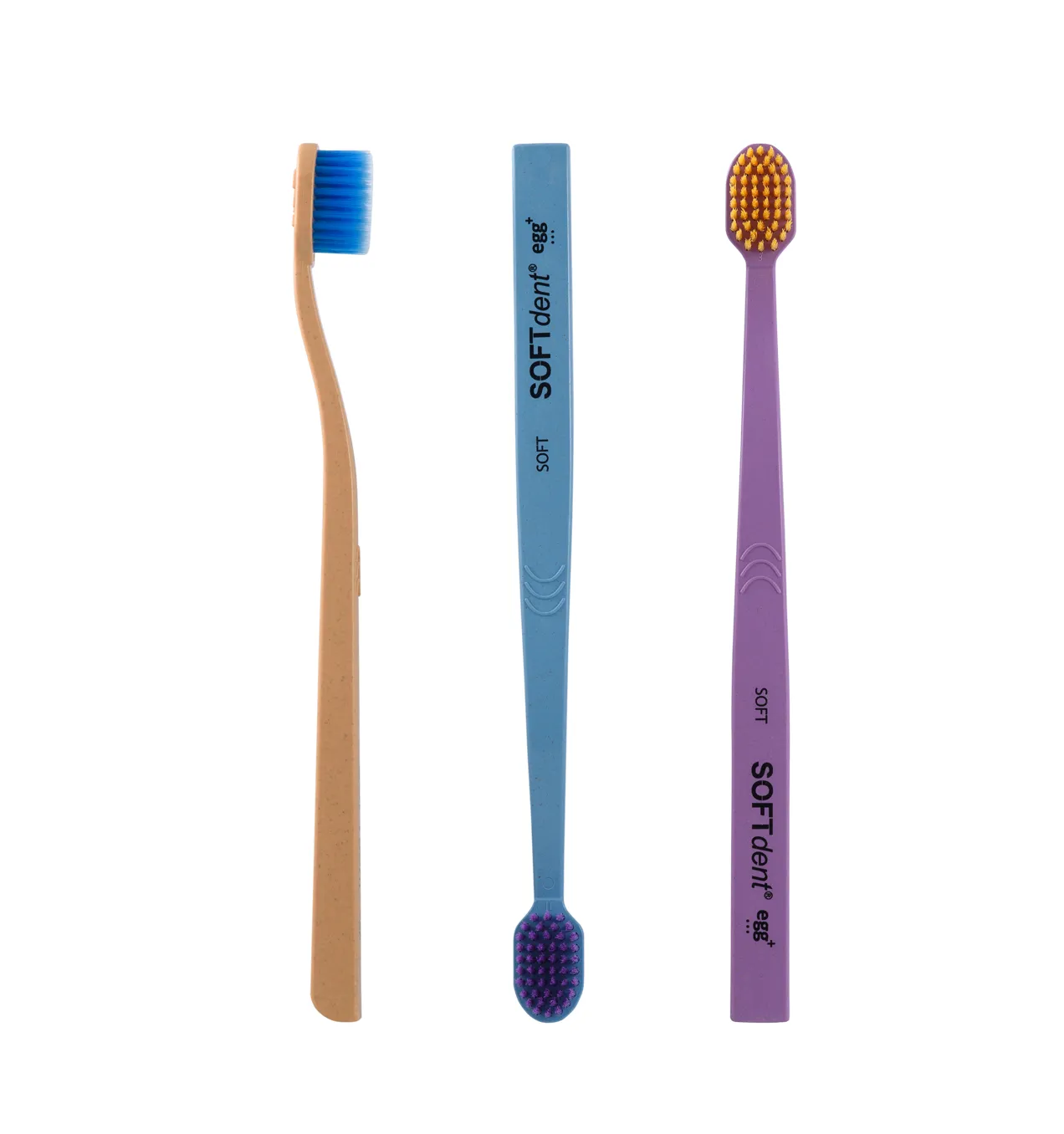
Egg+

The innovative head shape, ergonomic handle and special fibres ensure not only perfect hygiene but also a gentle massage of the gums. Treat yourself to a unique experience with every cleaning!

Discover our products

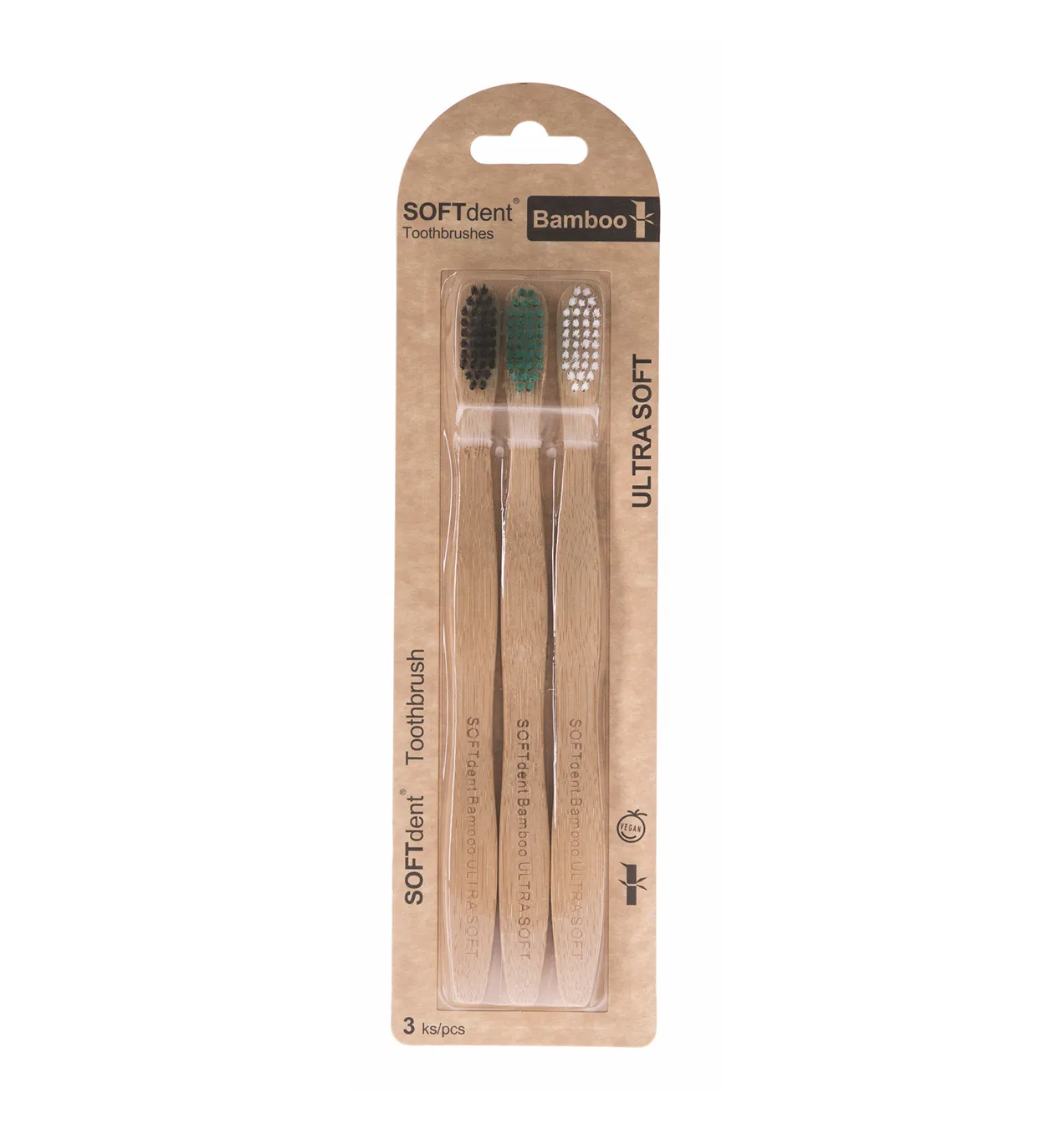
Bamboo

Discover SOFTdent® Bamboo, the toothbrush that brings 100% organic care to your teeth. It is made only from plant materials, contains no plastics or harmful chemicals, and is completely VEGAN. It is not only kind to your teeth, but also to nature!

Discover our products

Sonic

Discover the revolution in everyday oral hygiene. Sonic technology combined with high-quality DuPont fibres delivers a perfect clean, gentle gum care and a naturally whiter smile.

Discover our products

Softdent
Perfect cleanliness
without irritation

SOFTdent® offers innovative oral care products that combine gentle care with maximum effectiveness. With unique technologies and carefully selected materials, we help protect your smile gently and thoroughly every day.

Discover our products

Premium quality
for everyday comfort

Our toothbrushes, interdental aids, and other products are developed with gum sensitivity and the needs of the most demanding customers in mind. SOFTdent® guarantees premium quality and comfort with every use for healthier teeth and fresher breath without compromise.

More than 70% of our range uses biodegradable or recycled materials.

A responsible choice
for a healthy future

At SOFTdent®, we believe that oral health care goes hand in hand with taking care of the environment. That’s why we choose eco-friendly materials, minimise waste and are constantly seeking new ways to produce more sustainably.

Ecology

Science and innovation

Design

You might be reducing the effectiveness of your toothpaste without realizing it. 💧

Rinsing your mouth with water right after brushing is something most people do automatically. But this habit may prevent your toothpaste from doing what it's designed to do.

✨ The active ingredients in toothpaste need time to stay on your teeth. That's when they help protect your enamel and support remineralization.

💧 If you rinse your mouth immediately, you wash away many of those ingredients before they have a chance to work.

A small change can make a big difference. Simply spit out the toothpaste and wait a while before rinsing with water.

👉 Follow us if you want to get the most out of your dental care. 🪥
Your teeth don't turn yellow just because of coffee. Some of the biggest culprits might surprise you. 🦷

When people think of stained teeth, coffee is usually the first thing that comes to mind. But it's far from the only reason your teeth gradually lose their natural color.

Herbal teas 🌿
They may seem healthy, but they contain natural pigments that can slowly build up on the surface of your teeth, especially if you sip them throughout the day.

White wine 🍷
Unlike red wine, it doesn't stain your teeth as much directly. However, its acidity can weaken your enamel, making it easier for pigments from other foods and drinks to stick to your teeth.

Natural aging 🦷
As you get older, your enamel gradually becomes thinner, allowing more of the naturally yellow dentin underneath to show through.

Certain medications 💊
Some medications can affect tooth color during tooth development or even cause discoloration later in life.

Coffee ☕
The problem isn't usually one cup of coffee. It's sipping it throughout the day. Just like tea, it keeps your teeth exposed to staining pigments for much longer.

Yellow teeth don't always mean you're brushing incorrectly. More often, it's a combination of your daily habits, age, and what you eat and drink.

👉 Follow us to learn what really affects the health and appearance of your teeth. ✨
Maybe you don’t need to do more. You just need to switch the tools you use. 👀

Bad breath often isn’t caused by not brushing your teeth. The problem may be that the tools you use simply aren’t cleaning the areas they’re supposed to.

Toothpick ➡️ interdental brush 🪥
A toothpick removes food debris. An interdental brush also removes plaque, which is one of the most common causes of bad breath.

Large brush head ➡️ smaller brush head ✨
A smaller brush head can reach your back molars and other hard-to-reach areas that are often missed during brushing.

Old toothbrush ➡️ new toothbrush 🪥
Worn-out bristles don’t clean as effectively, making it easier for plaque to stay on your teeth.

One interdental brush size ➡️ multiple sizes 📏
Every space between your teeth can be a different width. Using the right size helps you clean each interdental space much more thoroughly.

Sometimes switching just one tool can make a difference sooner than you expect.

👉 Follow us if you want to know which changes can make the biggest difference to your dental health. 🦷
Your own breath can become “normal” to you faster than you think. 🫣

That’s why it can be hard to notice when something is off. Luckily, there’s a simple way to check it in just a few seconds.

✋ Lick the back of your hand, let it dry for a moment, and then smell it. If the smell is unpleasant, it may be a sign that bacteria are lingering in your mouth.

🪥 An interdental brush can give you an even better clue. Run it between your teeth, wait a moment, and then smell it. The spaces between your teeth are often where plaque and bacteria build up, and they can be a common cause of bad breath.

Bad breath doesn’t always mean something serious. Sometimes it’s just a sign that your interdental cleaning and overall oral care need a bit more attention.

👉 Follow us if you want to learn how to get rid of bad breath instead of just covering it up. 🦷✨
Your toothbrush might belong in the trash sooner than you think. 🪥

Most people throw it away only when the bristles are completely frayed. But there are situations when it’s better to replace it much sooner.

🤒 After being sick
It’s a good idea to start fresh with a new toothbrush. Unwanted bacteria or viruses may remain on the old one, and you don’t want to bring them back into your mouth.

🩹 After oral surgery or an injury in your mouth
Healing tissue is much more sensitive. A new toothbrush helps create a cleaner environment and reduces the risk of unnecessary irritation.

📅 Every 2-3 months
Even if your toothbrush looks fine, the bristles gradually lose their flexibility and shape. The result? Less effective cleaning and more plaque left behind where you don’t want it.

A toothbrush doesn’t have to look worn out to stop doing its job properly. That’s why it’s worth replacing it before the damage becomes visible. ✨

👉 Follow us if you want to know which small habits make the biggest difference in your dental care. 🦷
Do you use one interdental brush for all your teeth? Then you need to know this. 🪥

A lot of people use the same size for every interdental space. But each gap between your teeth can be a completely different width. 🦷

🪥 If the brush is too small, it will slide through with almost no resistance, leaving plaque behind on the sides of your teeth.

⚠️ If it’s too large, it may press against your gums, be difficult to insert, and make cleaning uncomfortable.

✨ The right size should gently fill the interdental space and clean it without unnecessary force.

That’s why you may need several different sizes of interdental brushes. It’s worth getting a set with multiple sizes or visiting a dental hygienist, who can recommend the right combination specifically for your teeth.

👉 Follow us if you want to know how to choose the right tools for healthier teeth. ✨
You may think you brush your teeth correctly. But what if you make a few mistakes every day? 🦷👀

There is a lot of contradictory advice when it comes to dental care. That’s why there is so much confusion around some things.

🪥 Should you brush before or after breakfast?
Ideally, before breakfast. If after a meal, it is better to wait at least 30 minutes so that the enamel has time to recover from the effects of acids.

🩸 Are your gums bleeding? Stop or continue?
Bleeding is often related to inflammation caused by accumulated plaque. Regular and gentle brushing is often what helps improve the situation.

🦷 Larger or smaller brush head?
A smaller head will better reach the back molars and hard-to-reach places that are most often missed during brushing.

✨ Dental toothpick or interdental brush?
A toothpick will help remove food debris. But an interdental brush removes plaque, which is a much bigger problem.

🤍 Hard or soft toothbrush?
Soft. It is gentler on gums and enamel and, with the right technique, cleans just as well, often better.

💧 Rinse the paste with water or just spit it out?
If you rinse the paste out right away, you also wash away the active ingredients. That’s why it’s better to just spit the paste out and let it sit for a while.

Sometimes the biggest problem isn’t bad habits. But the habits you’ve thought were right your whole life. 👀

👉 Follow us if you want to finally be clear about your dental care. 🦷✨
These two look similar. But they do completely different jobs. 🦷

A lot of people use a silicone toothpick and an interdental brush as if they were the same thing. But each one is designed for a completely different purpose.

👉 A silicone toothpick is great for removing food particles stuck between your teeth. It’s also gentler than a traditional wooden toothpick, which can irritate your gums.

👉 An interdental brush, on the other hand, is not a replacement for a toothpick. It’s meant for daily cleaning between your teeth and removing plaque that builds up there every day.

One helps remove what you can feel. The other removes what can cause real problems. ✨

👉 Follow us if you don’t want to spend money on dental tools you’re using the wrong way. 🦷👀
Sometimes it’s better to put the toothbrush down. ⚠️

Most people think that the sooner they brush their teeth after eating or vomiting, the better. But those are actually the moments when your enamel can be at its most vulnerable.

🤢 Right after vomiting, your mouth is full of stomach acids. These acids temporarily weaken your enamel, and brushing can literally wear it away.

🍋 The same goes for acidic foods and drinks, as well as sugary treats. Acids change the environment in your mouth, making your enamel more sensitive than usual.

💧 So what should you do instead? Rinse your mouth with water and wait about 30–60 minutes before brushing. Only then should you reach for your toothbrush.

👉 Follow us for more dental tips most people have never heard of. 🦷✨
Not everything you use on your teeth is 100% functional. 🦷

Mouthwash - 5/10 💧
It will help with fresh breath and give a feeling of cleanliness, but it will not remove plaque on its own. Only mechanical cleaning with a toothbrush and interdental tools can do that. Consider it more as a supplement than a replacement for cleaning.

Mouth spray - 3/10 🌿
It will temporarily cover up bad breath and save you from an unpleasant situation, but it will not solve its cause. If the smell is caused by plaque or bacteria, it will return after a while.

Single-bristled toothbrush - 9/10 🪥
A great helper for cleaning areas around the gums, back molars or braces. This is where a regular toothbrush is often not enough.

Dental floss - 7/10 🧵
It works perfectly in narrow interdental spaces, but technique plays a big role. If used incorrectly, it can be less effective or irritate your gums.

Floss pick - 8/10 ✨
A simpler and more convenient alternative to classic floss. Thanks to its practicality, many people reach for it more often, and regularity is more important in dental care than it seems.

Interdental brushes - 10/10 🦷
They reach places where a regular toothbrush never reaches. It is between the teeth that cavities and inflammation often occur, even if you otherwise brush your teeth honestly every day.

👉 Follow us if you want to know what your money really costs. ✨